Matchmaking sessions
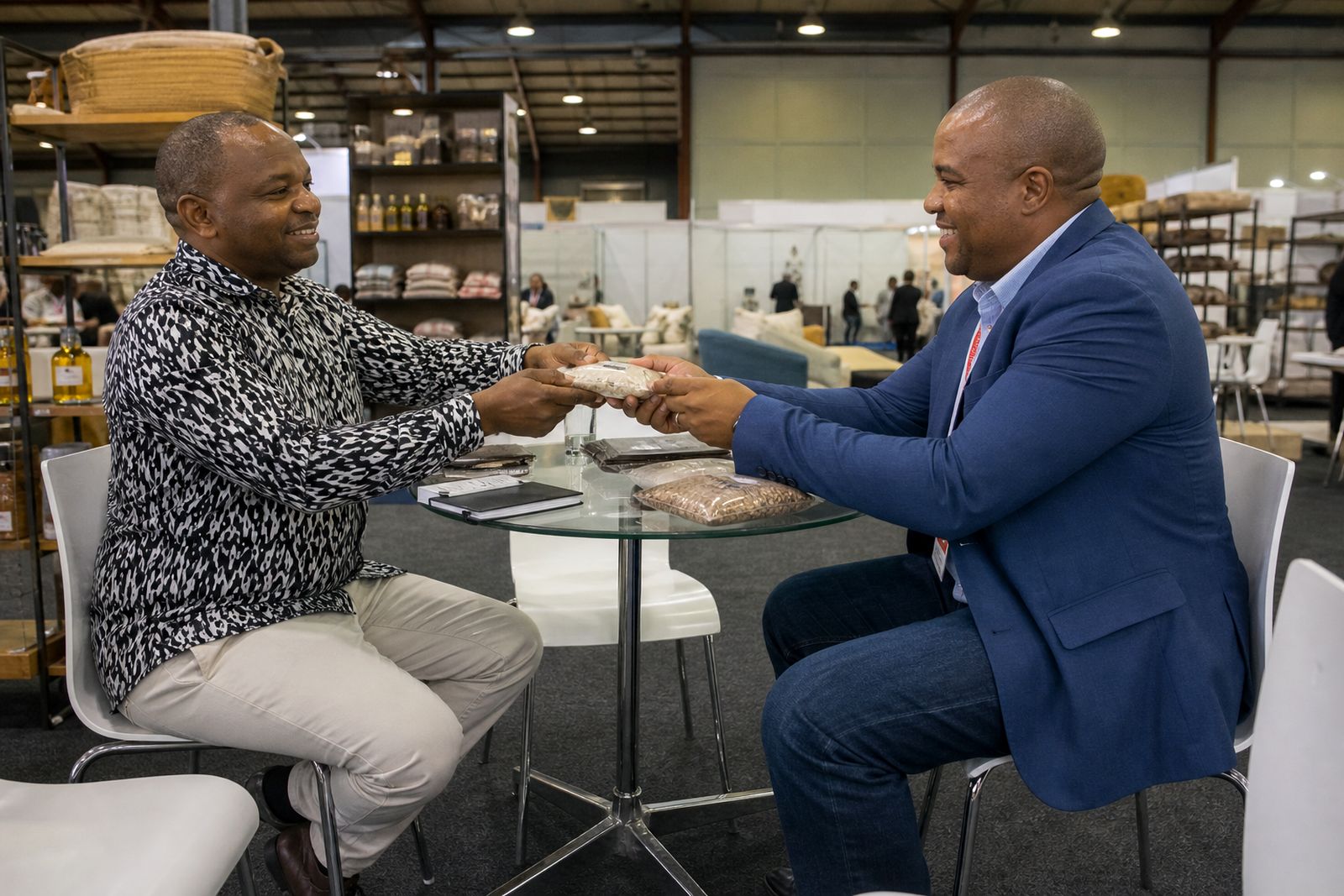
Our matchmaking sessions give buyers and exhibiting factories a clear way to meet on both mornings of the show. Instead of relying on walk-past traffic alone, you can use planned slots to speak to the right people in a focused setting.
What the matchmaking sessions are for
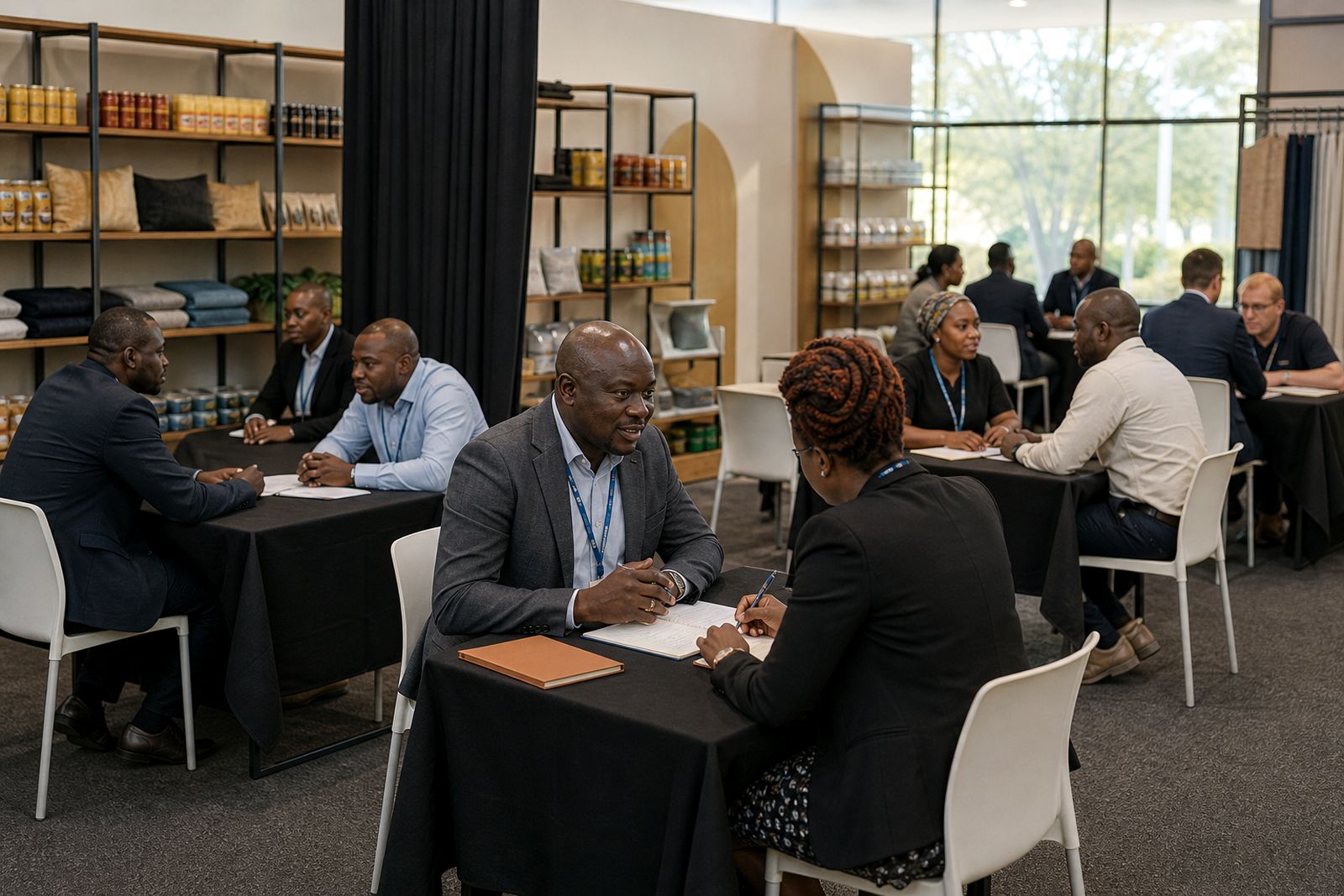
This section of the show is for planned one-to-one meetings between buyers and exhibiting factories from across the SADC region. The aim is simple: help wholesalers and retail buyers spend time with suppliers that fit their product range, order size, delivery route and paperwork needs.
Sessions run on both mornings, when people are fresh and able to compare ranges properly. That matters if you are reviewing pack sizes, private label options, pallet quantities or sample lead times. A short planned meeting often gets further than an unplanned chat in a busy aisle, especially when several categories are being reviewed at once.
If you are deciding whether to use this part of the show, think about how specific your buying brief is. The more focused your requirements are, the more useful a scheduled session will be.
Who should book a session
Matchmaking suits visitors and exhibitors who already know the type of trade conversation they need to have. It is especially useful where there are cross-border considerations, different packaging standards, or a need to compare more than one supplier in the same morning.
- Wholesalers: useful if you need volume supply, repeat ordering and freight planning into your warehouse.
- Retail buyers: useful if you need shelf-ready packs, barcode readiness, display quantities or seasonal lines.
- Exporting factories: useful if you want meetings with buyers whose channels match your production and minimum order levels.
- New cross-border sellers: useful if you need time to raise document questions after a buyer conversation.
If your main goal is broad market scanning, walking the floor first may suit you better. If your goal is to compare actual supply options, the session format is the better route.
How to choose the right type of meeting
Not every meeting needs the same level of preparation. Some are for first-fit introductions, while others are for pricing structure, logistics and next-step planning. Choosing the right approach helps both sides use the morning well.
- Introductory meeting: best when you want to test fit, review product categories and confirm basic supply capability.
- Range review meeting: best when you need to compare SKUs, pack formats, finish quality or merchandising options.
- Commercial meeting: best when you are ready to discuss lead times, container planning, payment terms and forecast volumes.
- Paperwork-linked meeting: best when supply interest is strong but export documents, samples or temporary import questions must be checked straight after.
A practical way to choose is this:
- If you have less than three target categories, book tighter meetings with clearer briefs.
- If you are comparing several countries of supply, allow time between sessions for notes.
- If packaging or labelling matters, bring those requirements up early not at the end.
What happens on both mornings
The sessions are structured to keep movement steady and discussions focused. Buyers and exhibitors are matched around product fit and trade intent, then guided into timed slots. This makes it easier to cover more ground before the show floor becomes busier later in the day.
On arrival, you should be ready with your priorities in order of importance. A buyer looking for dry grocery lines, for example, may want to start with shelf life and case quantities before moving to pricing bands. An exporter may want to start with production capacity and dispatch timing. Keeping the first few minutes clear helps avoid wasting the slot.
Where a conversation points to customs or movement questions, the cross-border paperwork help point on the floor can be used afterwards. That means the meeting itself can stay commercial, then move into document checks once there is genuine interest.
How to prepare before you arrive
Good sessions are usually built on very plain preparation. Bring what the other side can assess quickly and act on. Long presentations are rarely as useful as a sharp summary with actual trade details.
- Buyers should bring: category list, expected monthly volumes, pack preferences, target price bands, and any retailer or wholesale channel requirements.
- Factories should bring: product summaries, pack sizes, minimum order quantities, lead times, export readiness notes and sample information.
- Both sides should bring: a clear note of next steps, whether that is a quote request, sample follow-up or paperwork check.
If you are bringing samples, keep them manageable and labelled properly. If goods have special handling needs, say so early. Midrand mornings can start cool and then warm up quickly, so some sample types need sensible packing. A little prep here saves a lot of confusion later.
Using this section with the other pages
This page is the overview for matchmaking. Use it to decide what kind of meeting you need and how much preparation to do before the show. Then move to the more specific pages in this section depending on your role and the stage you are at.
If you want the step-by-step process, read the page on how matching works. If you already have a slot and want to use it well, go to the page on making the most of a session. Buyers can also use the wholesaler and retail buyer pages to tighten their brief before requesting meetings.
For exporters, this section works best alongside the pages on getting goods to Midrand and cross-border paperwork help. Many useful deals move forward because the product fit is strong and the practical details are checked quickly, not because anyone tried to rush the conversation.
What our Exporter Trade Show customers say
Verified Google reviews
Questions we get asked
Do matchmaking sessions replace walking the show floor?
No. They are meant to complement floor visits. Use sessions for focused trade conversations, then use the floor to view ranges more broadly and continue promising discussions.
Can a buyer ask document questions during a meeting?
Yes, but where paperwork needs deeper attention it is usually better to note the issue and then use the cross-border paperwork help point on the floor after the session.
Are the sessions only for large-volume buyers?
No. They help any serious trade buyer with a clear brief. What matters most is having practical requirements on product type, volumes, pack format and supply route.
Exhibit or come to buy
Send a note through our contact form telling us whether you are a factory that wants to exhibit or a wholesaler or retailer coming to buy, and our team will reply with the next steps.
Open the contact form