

How matching works
Our matchmaking sessions are set up to help exhibitors and buyers spend their time on the floor with the right people. The process starts before arrival in Midrand and ends with clear follow-up notes after each meeting block.
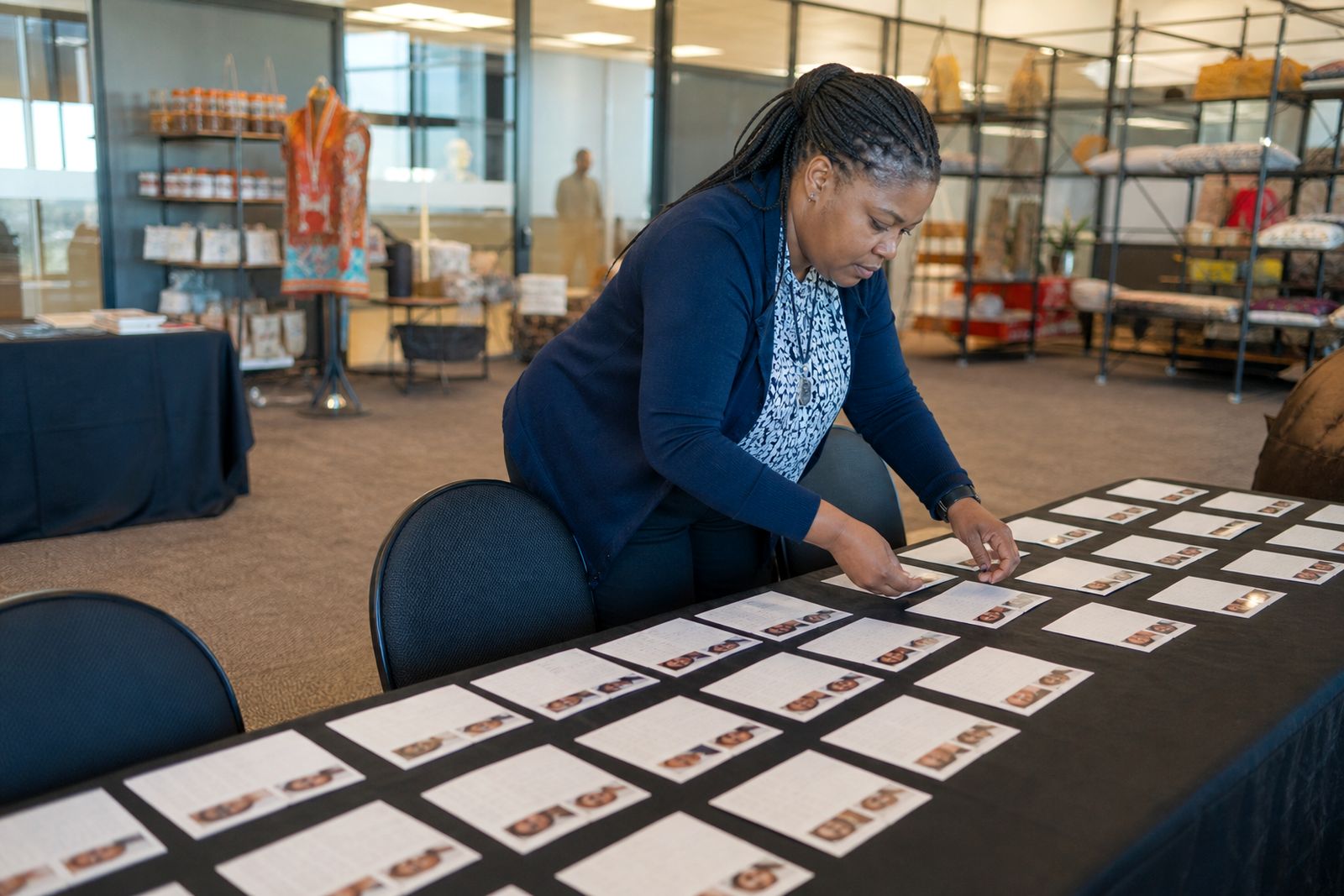
What the matching service includes
The matching service is a structured meeting programme that runs on both show mornings. It is meant for exhibiting factories from Zambia, Namibia, Mozambique and South Africa, as well as approved wholesalers and retail buyers looking for supply lines that fit their category, order size and route to market.
We work from the profile you submit, then build a short list of suitable meeting options. The aim is not to fill a diary with random introductions. It is to put you in front of businesses that are closer to your buying or selling brief, so your time in Midrand is used properly.
- Profile review before the show
- Category and product fit screening
- Order size and channel fit check
- Short list of proposed meetings
- Morning session scheduling on the show floor
- Basic follow-up notes after the session
How we build your short list
Matching starts with the information in your enquiry and participation profile. For exhibitors, that usually includes product range, pack sizes, lead times, export readiness, preferred buyer type and the territories you can serve. For buyers, we look at product categories, volume requirements, labelling needs, payment process and whether you need local holding stock or direct cross-border supply.
We then compare profiles against practical fit points. These include whether the product is suitable for wholesale distribution or retail shelves, whether minimum order quantities are realistic, and whether transport to Midrand for samples and display stock has been planned.
Where there are gaps, our team may ask for a little more detail through the contact process before placing you into the meeting pool. This helps avoid low value meetings and keeps the morning sessions moving on time.
- Product category match
- Buyer channel match
- Volume and pack format fit
- Territory and supply route fit
- Readiness for export paperwork support on site
Step by step from profile to meeting slot
Once your profile is accepted, the matching process follows a fixed sequence. This keeps things fair for both exhibitors and buyers and makes it easier to manage arrivals, badges and floor movement during busy morning periods.
First, we review your profile for completeness. Second, we classify it by category and trading type. Third, we prepare a working list of possible matches. Fourth, we check for any obvious issues such as incompatible order sizes, unsuitable product positioning or documentation concerns for cross-border supply. Fifth, we issue a short list of likely meetings. Sixth, final meeting times are set for one or both mornings depending on availability.
On the day, each session is kept brief and practical. The purpose is to confirm fit, sample range, next steps and commercial interest, not to complete a full supply agreement on the spot. If a discussion needs more time, the parties can continue later on the floor or after the show.
- Profile submitted
- Internal review and classification
- Preliminary matching
- Suitability checks
- Short list issued
- Meeting slots confirmed
What you need to prepare
Good matching depends on good preparation. If your information is too broad, too vague or missing key trade details, the short list will be weaker. It helps to be specific about what you make or buy, how you pack it, and what kind of transaction you can actually handle.
Exhibitors should prepare a concise product summary, indicative wholesale positioning, sample details and expected lead times. Buyers should prepare target categories, preferred pack formats, expected buying volumes and any shelf, compliance or import conditions they already know about. Bring clear notes, because morning meetings move quickly and you may not get a second slot with the same party.
If your goods are crossing borders for display or sampling, make sure your shipment planning and supporting papers are in order before travel. The paperwork help point can assist with guidance on the floor, but it cannot replace your own preparation.
- Clear product or sourcing brief
- Pack sizes, units and sample information
- Indicative order volumes or minimum quantities
- Lead times and delivery method
- Questions you need answered in the meeting
- Notes on cross-border samples if relevant
How pricing is worked out
Pricing for matchmaking is not a one-size arrangement. In general terms, it is worked out according to your role at the show and the amount of coordination required. An exhibitor already taking a stand package may have matching included at a certain level, while extra support, added categories or more intensive scheduling can be treated separately.
For buyers, pricing can depend on the number of categories being sourced, the complexity of the brief and the number of meeting blocks requested. Where a buyer has narrow requirements and a short list is simple to build, the coordination load is lighter. Where the brief spans several categories or supply routes, more screening is needed.
Any applicable charges and inclusions are explained before confirmation through the enquiry process. We keep the structure practical and based on the work involved rather than vague labels.
Aftercare and next steps
After each morning session, the process does not just stop. We provide basic aftercare so that useful introductions are not lost once the floor gets busy. This can include noting which meetings took place, which parties want to continue and which discussions need documents, samples or pricing to move forward.
Where appropriate, we can point you to the cross-border paperwork help point if your next step involves export documents, sample movements or temporary import questions. We can also help you organise your follow-up priorities so that the strongest leads are dealt with first. A quick note taken on the day often saves a lot of confusion later, especially if power cuts or travel delays affect your admin once you are back at your factory or buying office.
The best results usually come from fast, clear follow-up after Midrand. Keep your replies short, send only the documents asked for and confirm any commercial points in writing. It sounds obvious but many good leads go cold because one side waits too long.
What our Exporter Trade Show customers say
Verified Google reviews
Questions we get asked
Do I choose my own meetings?
You can indicate the types of businesses you want to meet, but the final short list is based on mutual fit, availability and the information supplied in each profile.
Can I join matchmaking if I am not exhibiting?
Approved wholesalers and retail buyers can take part, provided their sourcing brief is clear enough for us to build suitable meetings.
What happens if a meeting is not a fit on the day?
Sessions are kept short so time is not wasted. If a match is clearly unsuitable, the focus shifts to the next scheduled meeting and follow-up notes are adjusted accordingly.
Also worth a look
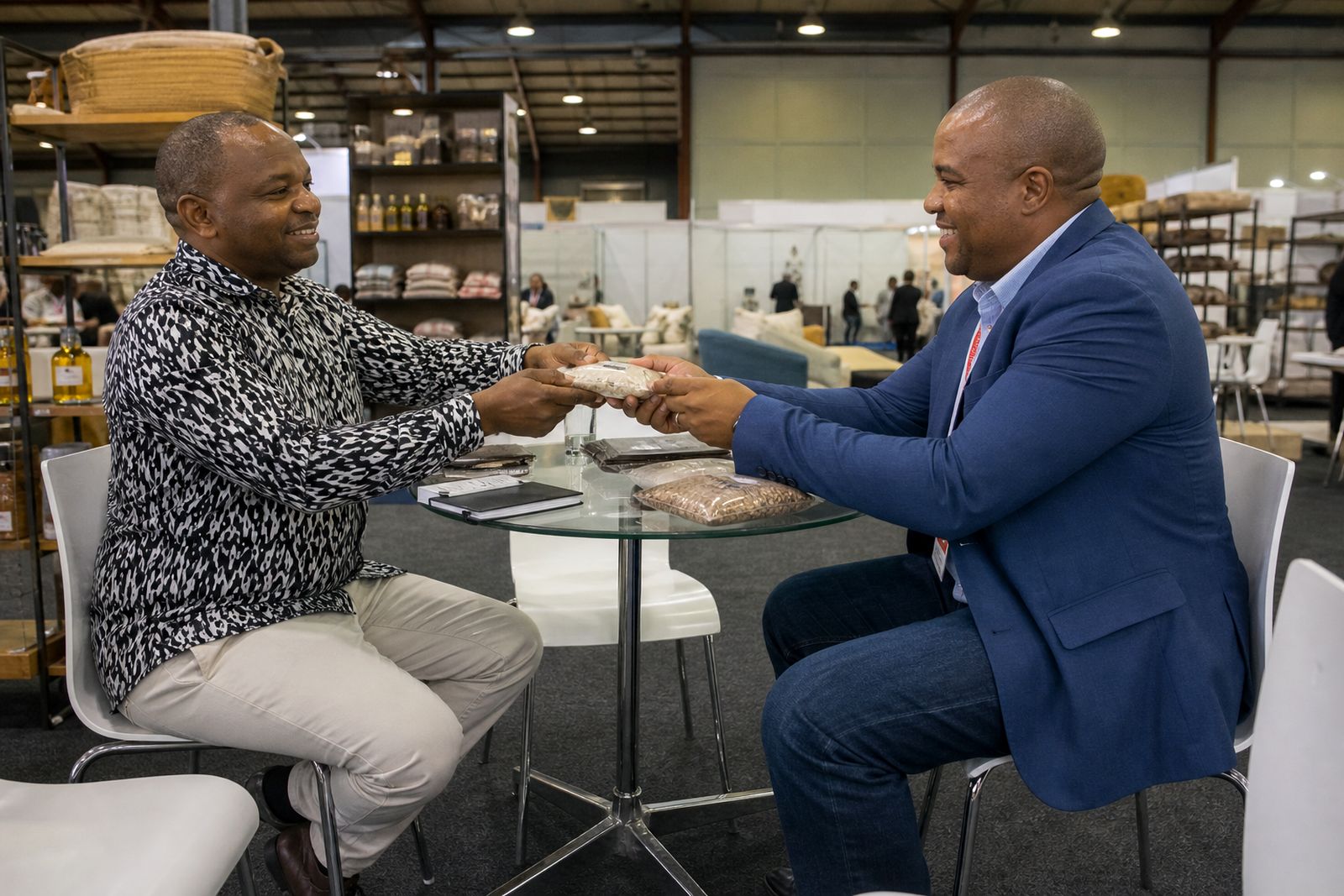
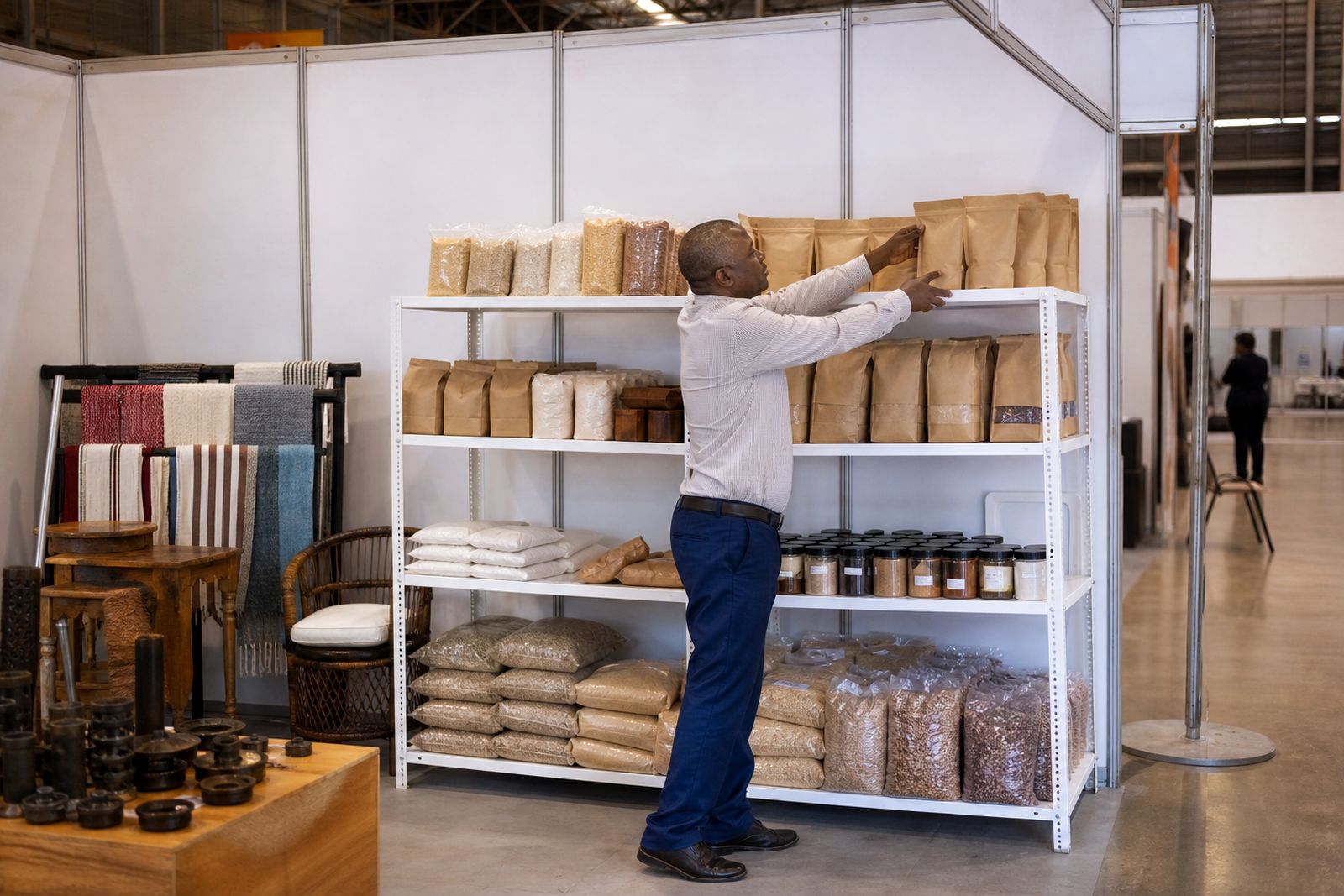

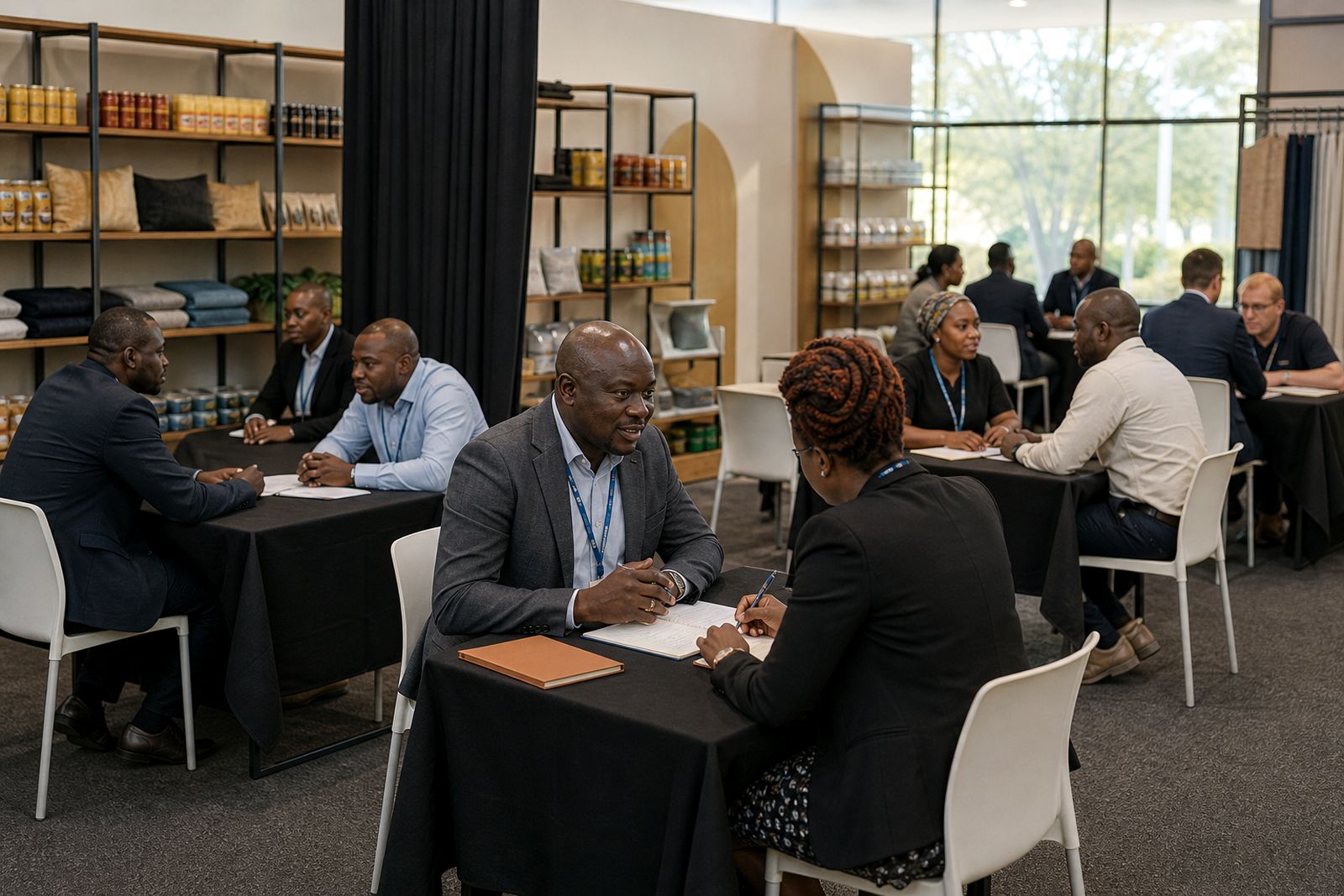
Exhibit or come to buy
Send a note through our contact form telling us whether you are a factory that wants to exhibit or a wholesaler or retailer coming to buy, and our team will reply with the next steps.
Open the contact form