
Making the most of a session
A matchmaking session is short, so the prep matters as much as the meeting itself. Here is how to use your 20 minutes well, what to bring, and what happens after you sit down.
What this session guidance covers
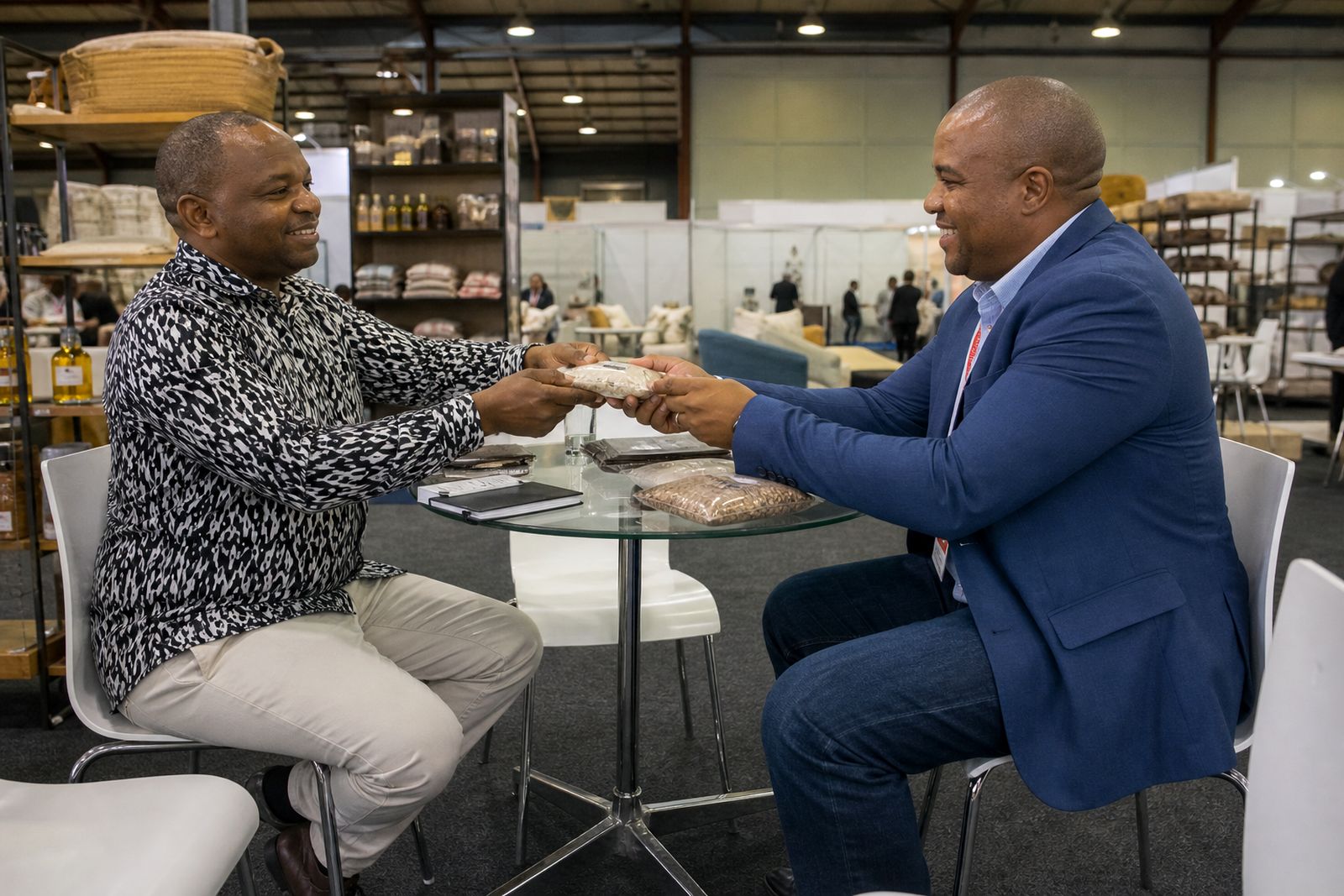
At African Trade Show, matchmaking sessions are arranged to give factories and buyers a focused first discussion. Each meeting is timed, held on the show floor, and aimed at one thing: finding out quickly whether there is a fit on product, quantity, pricing approach and route to supply.
This page explains how to make the most of that slot. It covers what is included before the session, how the meeting normally runs, what your team should prepare and what follow-up works best once the bell goes. Twenty minutes can move very fast, so a simple plan helps you avoid spending half the time on introductions and paperwork.
- Guidance on what to present first
- A practical order for the conversation
- Documents and samples to have ready
- How matching support is worked out in general terms
- What to do after the session ends
What is included before you sit down
Before the session, our team groups buyers and exporters by product category, supply range and market interest. The aim is not to force a deal on the day. It is to place the right people together so the conversation starts at the right level.
You can expect a short briefing on the meeting format, the time allowed and the type of buyer you are due to meet. Where needed, the floor team can point you to the cross-border paperwork help point if a question on samples, invoices or supporting documents comes up before your slot. That saves time later.
For exporters, preparation usually works best when one person leads the product discussion and one person handles figures and paperwork. Too many voices can waste the first few minutes, and buyers often want straight answers quickly. Keep your pack compact but complete.
- Buyer and product category matching
- Session timing and floor guidance
- Basic direction on documents and samples
- A clear point of contact for post-session follow-up
How the 20 minutes usually runs
A good session has a clear rhythm. In the first few minutes, confirm who you are, what you make, and what you can supply consistently. Then move straight to the products most relevant to that buyer. If you start with your full range, you may lose the room before the key item is on the table.
The middle part of the meeting should deal with commercial fit: order size, lead times, packaging, transport route, labelling and whether the buyer wants own-brand supply or factory-labelled goods. In the last few minutes, agree the next action clearly. That could be sending a formal price list, a sample pack, a specification sheet or a draft supply proposal.
Minute 1 to 3: quick introduction, product category, production location and supply scope.
Minute 4 to 10: show the most suitable items, sizes, finishes or pack formats.
Minute 11 to 16: discuss quantities, lead time, pricing basis and delivery approach.
Minute 17 to 20: confirm next step, contact method through the show enquiry process, and any document still needed.
If the buyer asks something you cannot confirm on the spot, do not guess. Note it down and send the answer after the session. A careful answer later is better than a loose answer now.
What you should prepare and bring
Bring enough material to answer practical questions without cluttering the table. Buyers usually want clear facts, not a long pitch. Samples should be clean, labelled and easy to handle. If an item is bulky, bring a smaller cut piece, a photo sheet with dimensions, or a compact specification page instead.
For cross-border exhibitors, it helps to keep copies of shipping and product paperwork close by in case the discussion turns to delivery into South Africa or onward supply into the region. Small delays often come from missing details like carton counts or tariff descriptions being too vague, so prep those points early.
- A one page company profile
- A short product list with sizes, materials or pack formats
- Indicative lead times for repeat orders
- Sample units or a neat sample board
- Packaging details, carton dimensions and pallet approach where relevant
- Indicative wholesale pricing basis, subject to volume and delivery terms
- Any export or shipping documents needed to support sample movement
It also helps to decide in advance who will speak first and who will take notes. That sounds basic but it keeps the meeting tidy and avoids people talking over each other.
How pricing is worked out
There is no one flat figure for matchmaking support because the work depends on the type of participant and level of coordination needed. In general, pricing is shaped by whether you are exhibiting, how many matching opportunities are being arranged, the product category, and how much pre-session support is required around samples or paperwork.
For the meeting itself, buyers normally want to understand your product pricing method rather than just one number. Be ready to explain how your wholesale pricing changes by volume, pack size, finish, transport method or labelling requirements. If your prices depend on exchange movement, say so plainly. If inland haulage to Midrand affects your sample or replenishment costs, include that too.
- Matching support is based on participation scope and coordination required
- Product pricing should be shown in a simple, volume-based format
- State whether pricing excludes transport, duties, packaging changes or special labelling
- Flag minimum order quantities early so no time is lost
Keep pricing pages easy to scan. One sheet with item, pack size, minimum order and indicative lead time often works better than a thick pack of mixed products.
Aftercare and the next step after the session
The session is only the start. Good follow-up within a reasonable time matters more than an impressive opening conversation. Once the meeting ends, write down what was asked for while it is still fresh: quantities, sample requests, packaging changes, compliance questions and any target delivery area. Midrand buyers may ask one thing while a coastal buyer wants another because storage, humidity and transit handling can differ a bit.
After the show, keep your follow-up practical. Send only the material discussed, clearly labelled, and in the order promised. If you need help with documents for samples or temporary movement of goods, use the cross-border paperwork help route through the show contact process. That is often the quickest way to clear up missing information before the buyer loses momentum.
A strong follow-up usually includes a short recap, a product sheet, the agreed pricing basis and one clear proposed next action. Do not send six different options if only two were discussed, it slows decisions. Keep the thread clean and easy to action.
- Send a recap of the meeting points
- Attach only the promised documents and product details
- Confirm sample dispatch method where relevant
- State who will handle the next conversation from your side
- Use the enquiry form on our contact page for show-related follow-up
What our Exporter Trade Show customers say
Verified Google reviews
Questions we get asked
What if I cannot answer a buyer's technical question during the session?
Say clearly that you will confirm after the meeting, then note the question down properly. It is better to send a correct answer later than to guess in the room.
Should I bring my full catalogue?
Bring it if needed, but lead with the items most relevant to that buyer. A short targeted range usually works better than showing everything at once.
Can I discuss export paperwork during the matchmaking slot?
You can raise practical points, but detailed document queries are often better handled through the cross-border paperwork help point so the meeting time stays focused on the trading opportunity.
Also worth a look
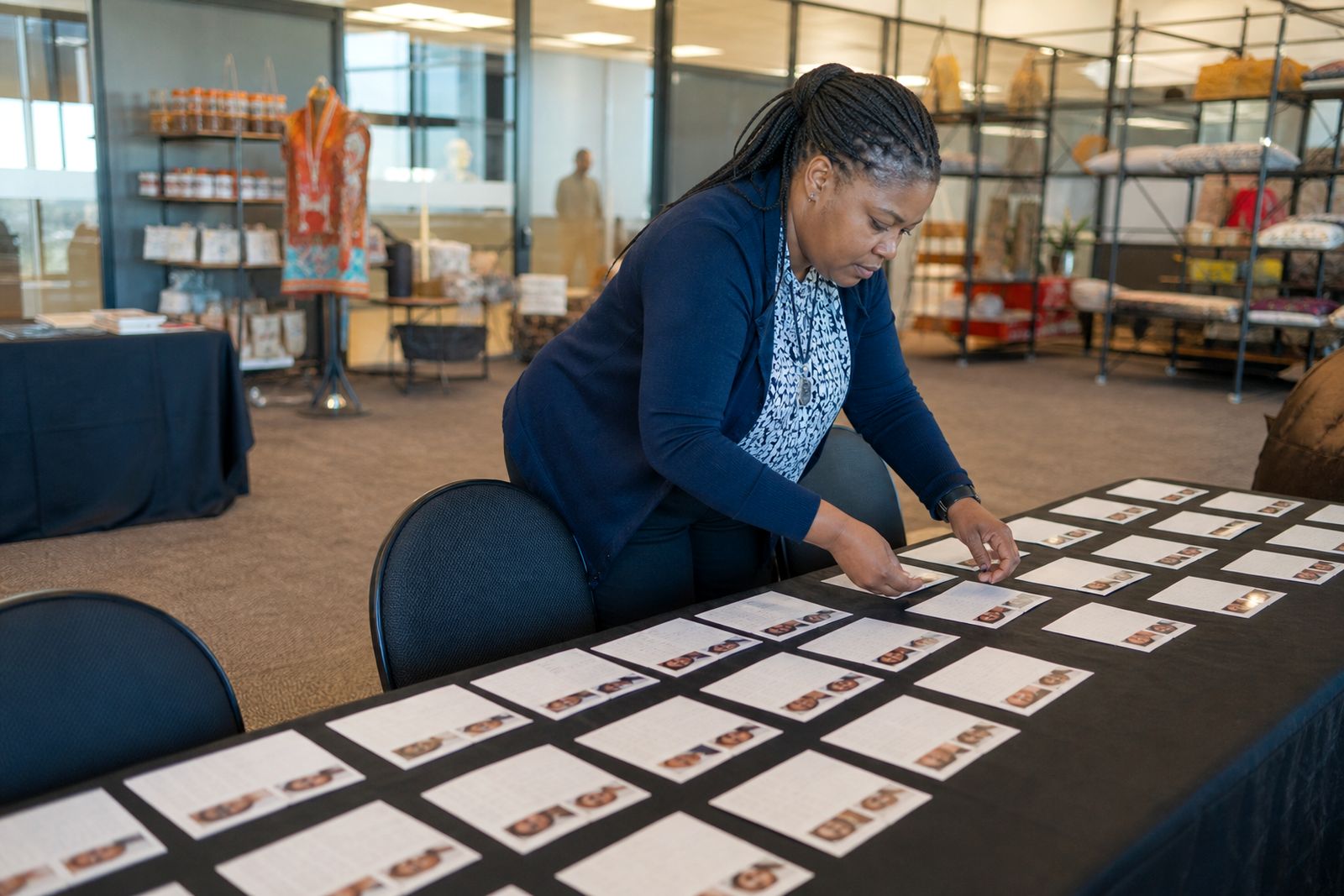
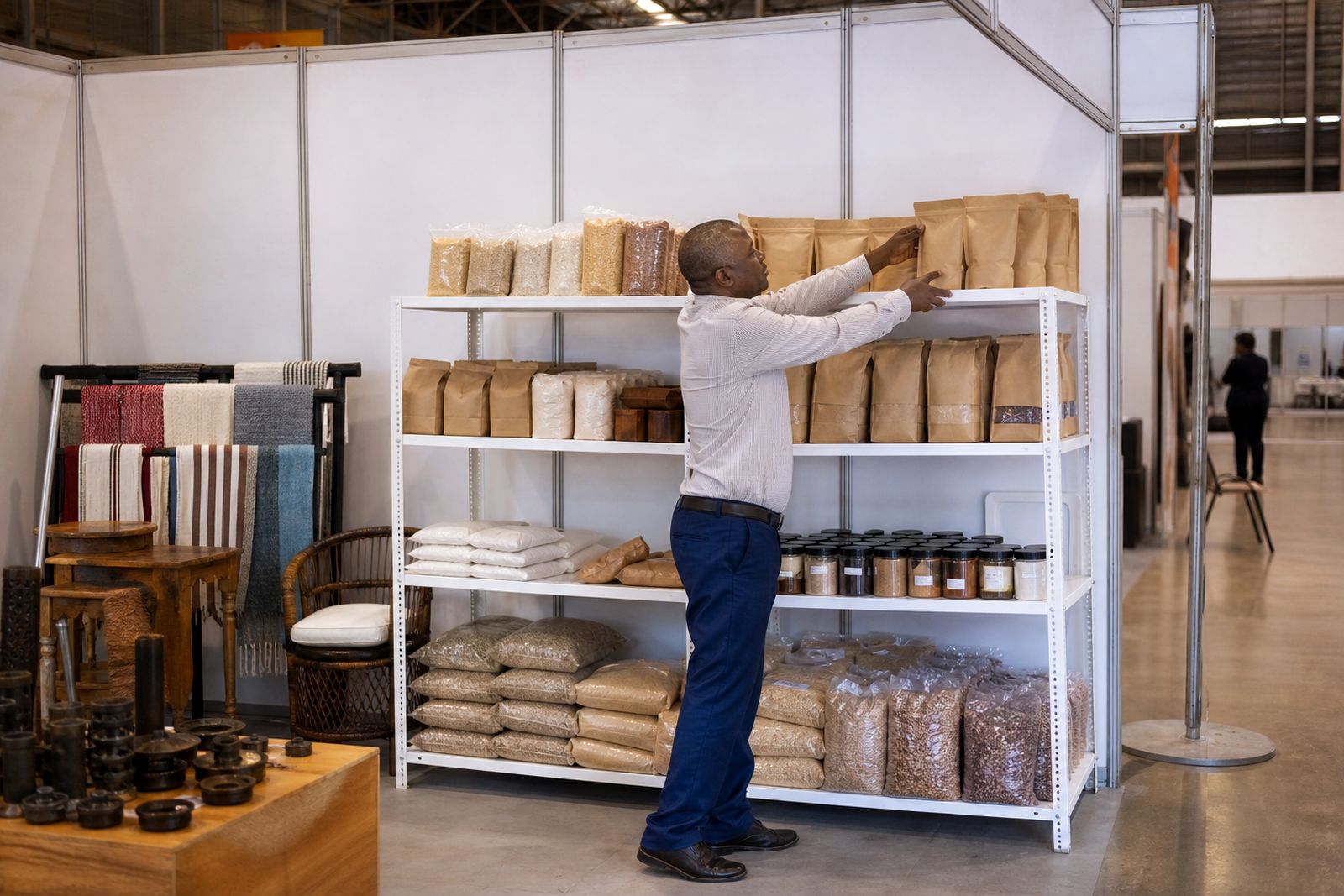
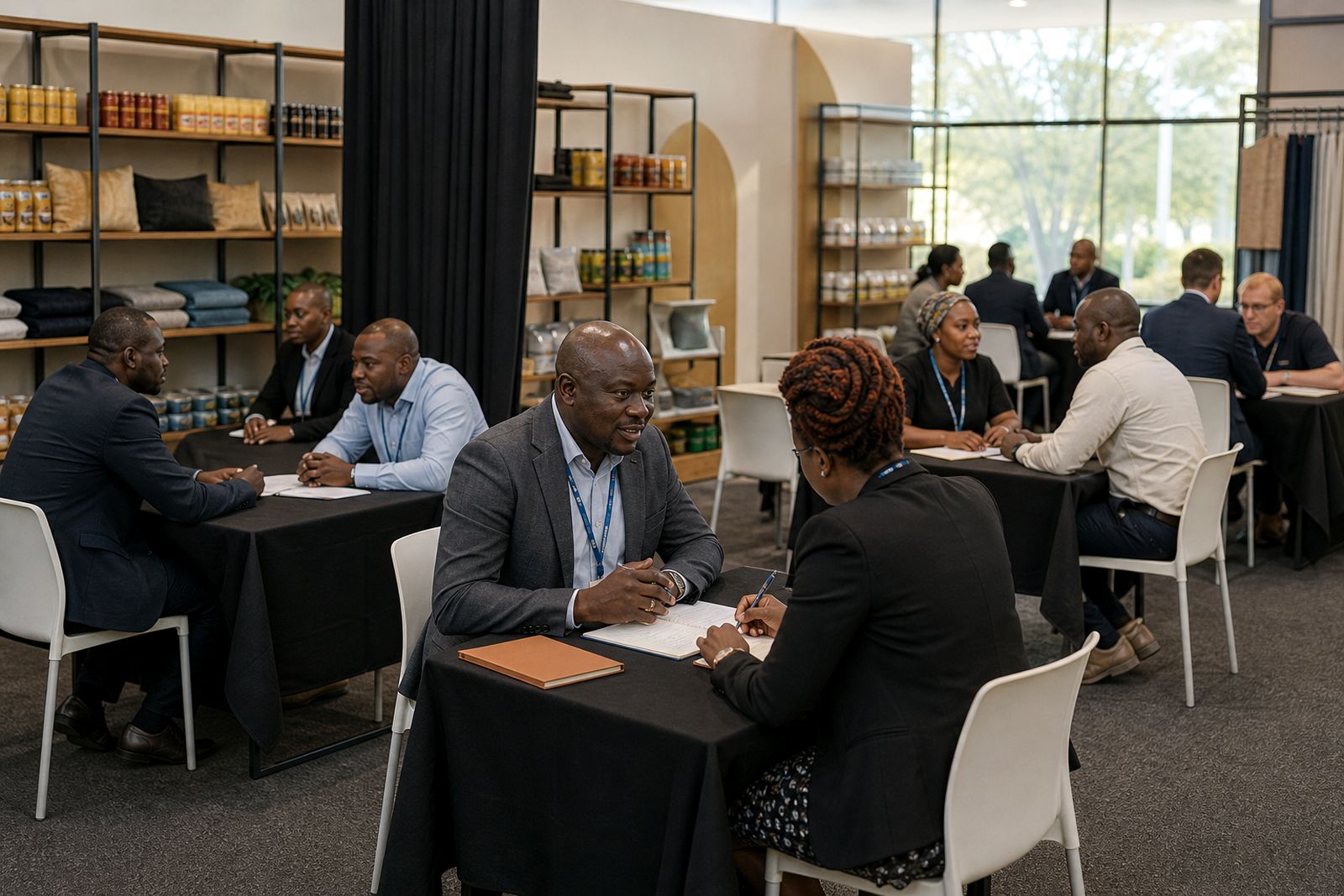
Exhibit or come to buy
Send a note through our contact form telling us whether you are a factory that wants to exhibit or a wholesaler or retailer coming to buy, and our team will reply with the next steps.
Open the contact form