
For exporters
This section is for factories from Zambia, Namibia, Mozambique and South Africa that want to exhibit in Midrand. It explains how to choose a stand package, plan your goods movement and get ready for buyer meetings on the floor.
What this section covers
Exhibiting at the show is not only about booking floor space. Exporters usually need to decide how much product to bring, what paperwork to prepare, who should attend from the factory, and how to use the two morning matchmaking sessions well. This section brings those topics together so your team can move in the right order and avoid last minute confusion.
If you are still deciding whether to exhibit, start by looking at the stand package page. If your main concern is transport to Midrand, go to the goods movement page next. If your team wants buyer meetings and a clear meeting format, the matchmaking pages will help you prepare. Many factories read all three because they solve different parts of the same job.
Choose the right route for your factory
Different factories come to the show with different goals. Some want to meet wholesalers who can take pallet quantities and repeat orders. Others want retail buyers who need tighter packaging, labelling and shelf ready presentation. A few are bringing only samples first, then planning fuller shipments later. Choose your next page by the question you need answered now.
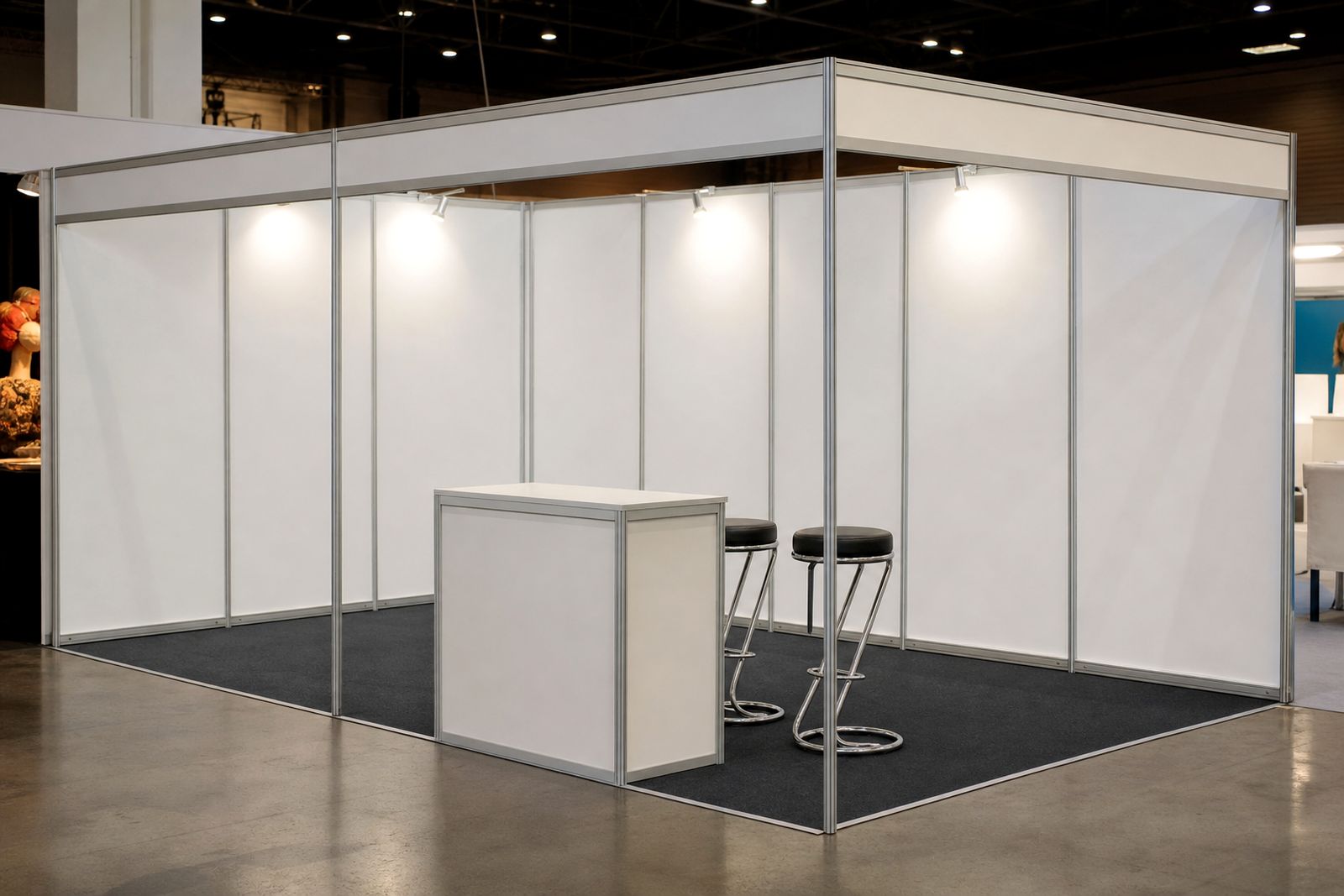
- Need floor space and inclusions: go to Stand packages to compare what each option gives you.
- Need to move goods across a border: go to Getting your goods to Midrand for practical planning points.
- Need buyer meetings: go to Matchmaking sessions and then How matching works.
- Need help with paperwork: use the Cross-border paperwork help pages for export documents and temporary import guidance.
If you are unsure which route fits best, send an enquiry through the contact page and describe your factory, product type and country of dispatch. Our team can point you to the right information before you commit stock and travel.
Stand package or sample-first approach
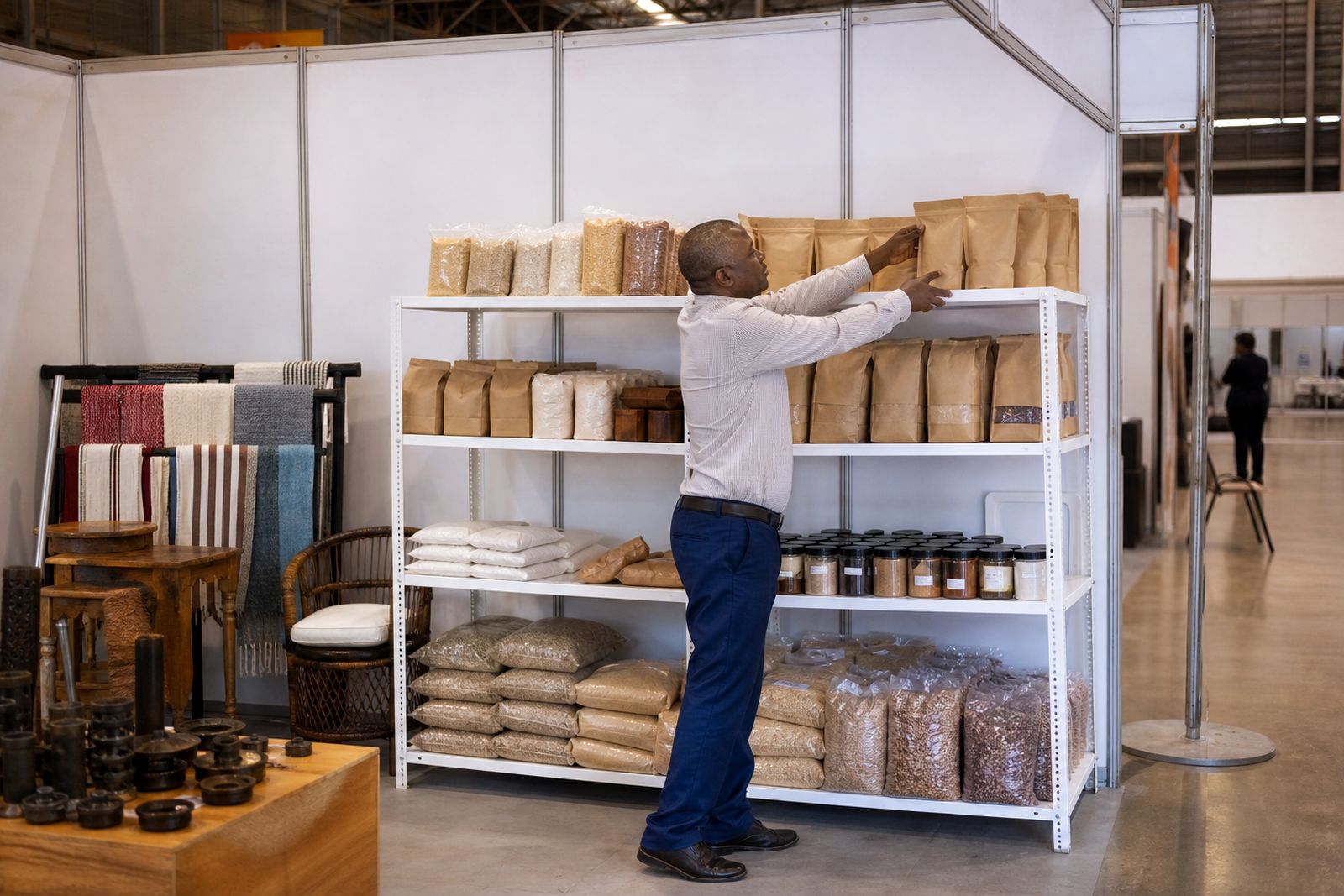
One of the first decisions is whether to bring a fuller product display or to attend with a tighter sample set. There is no single best answer. Heavy goods, bulky goods and goods with difficult packing often need a different plan from lighter consumer lines. Your choice should match the kind of buyer you want to meet and the amount of stock you can move comfortably.
- Full display stand: better if buyers need to compare several sizes, colours or pack formats side by side.
- Compact sample set: useful if your products are costly to move or you are testing buyer response first.
- Working display items: best where handling, finish or assembly matters to the buyer.
- Catalogue-led display: suitable when final goods are made to order and dimensions vary by client.
A practical rule is simple: if a buyer must touch it, lift it or inspect the finish closely, bring it. If the buyer mainly needs pricing structure, lead times and packing information, a smaller display may do the job just fine.
Planning goods movement to Midrand
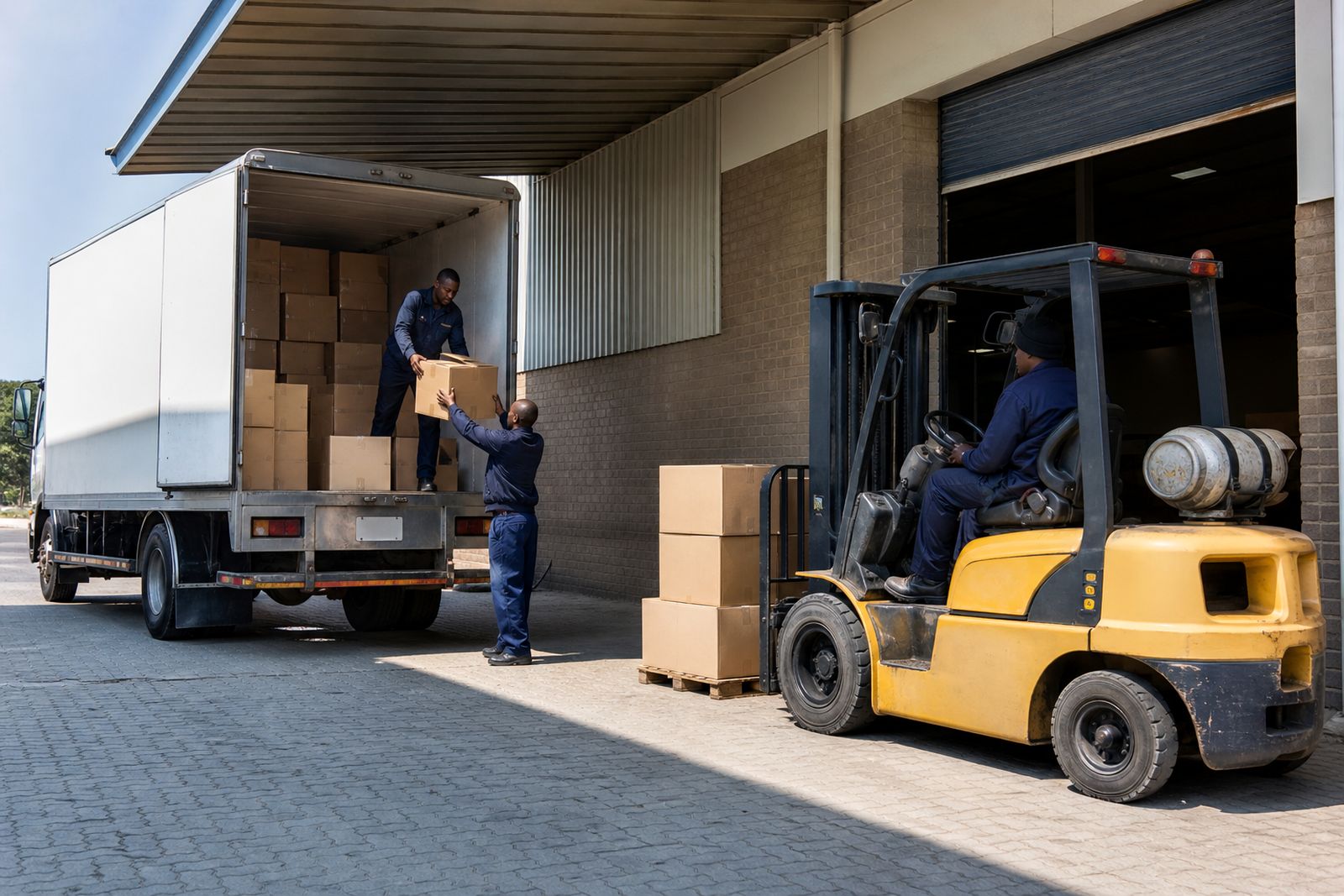
Cross-border exhibitors should plan goods movement early, especially if samples are travelling with display fittings, printed material and replacement stock. Midrand is central for many buyers, but access timing, vehicle size limits at some venues and unloading windows still matter. Keep cartons clearly marked and separate what is for display from what is for handout or return movement.
For factories coming from coastal areas, pack with humidity in mind. Paper labels can lift, plain steel parts can mark and outer cartons can soften if they are stored badly before dispatch. Use sensible internal wrapping and keep a packing list that matches the physical count exactly. Small mismatches can slow things down more than people expect.
If your products need power for demonstration, plan for interruptions and bring a simple non-powered explanation method as backup. Printed specification sheets, charge-ready battery units where suitable and a short manual demo routine can save a meeting if power cuts affect the hall at the wrong time.
Preparing for wholesaler and retail buyer meetings
The matchmaking sessions on both mornings are there to help exporters meet buyers with relevant interests. To use them properly, your team should arrive with clear trade terms, realistic minimum order quantities and a simple explanation of what you can supply consistently. Buyers usually want direct answers, not a long sales talk.
- For wholesalers: be ready to discuss case quantities, pallet patterns, replenishment frequency and delivery lead times.
- For retail buyers: prepare shelf dimensions, barcode readiness, pack sizes, carton inners and consumer facing labelling details.
- For both: bring a printed price framework, product specifications and clear photos of your broader range.
It also helps to decide who speaks about pricing, who handles technical questions and who takes notes. A small team with defined roles usually performs better than a larger group all talking at once and it keeps meetings moving.
Paperwork support on the show floor
Some exporters come ready with complete files. Others are still working through sample paperwork, temporary import questions or supporting trade documents. The show includes a cross-border paperwork help point on the floor so exhibitors can ask practical questions while they are on site. That support is there to help you identify what to check, not to replace your own commercial records.
Before travelling, keep copies of your packing list, commercial invoice, sample list and any product information that explains exactly what the goods are. If goods are returning after the show, make sure your records show what came in and what is going back out. Clear paperwork saves time, and time matters when staff still need to set up stands and meet buyers.
How to use this exporter section well
The easiest way to use this section is to work in sequence. First compare stand options. Then plan transport and packaging. After that, prepare for matchmaking sessions and check any paperwork questions. This order helps because each step affects the next one. The size of your stand changes how much you ship, and what you ship changes the paperwork file you need.
If your factory is still weighing up the value of attending, focus on the pages that help you make a practical decision rather than a vague one. Compare stand requirements against your sample range, compare freight effort against the buyers you want to meet, and compare your readiness for wholesale or retail conversations. When you are ready, send your enquiry through the contact page with your product category and country of origin, and our team will guide the next step.
What our Exporter Trade Show customers say
Verified Google reviews
Questions we get asked
Should we bring full stock or only samples?
That depends on the product and the kind of buyer you want to meet. If finish, scale or handling matters, bring representative stock. If your range is made to order or expensive to move, a tighter sample set with strong specifications may be the better option.
Can exporters get help with cross-border documents at the show?
Yes. There is a cross-border paperwork help point on the floor for practical guidance on export documents, samples and temporary import questions.
How do we ask about exhibiting?
Please use the enquiry form on the contact page and include your factory location, product type and whether you are aiming at wholesalers, retail buyers or both.
Exhibit or come to buy
Send a note through our contact form telling us whether you are a factory that wants to exhibit or a wholesaler or retailer coming to buy, and our team will reply with the next steps.
Open the contact form