
Retail buyers
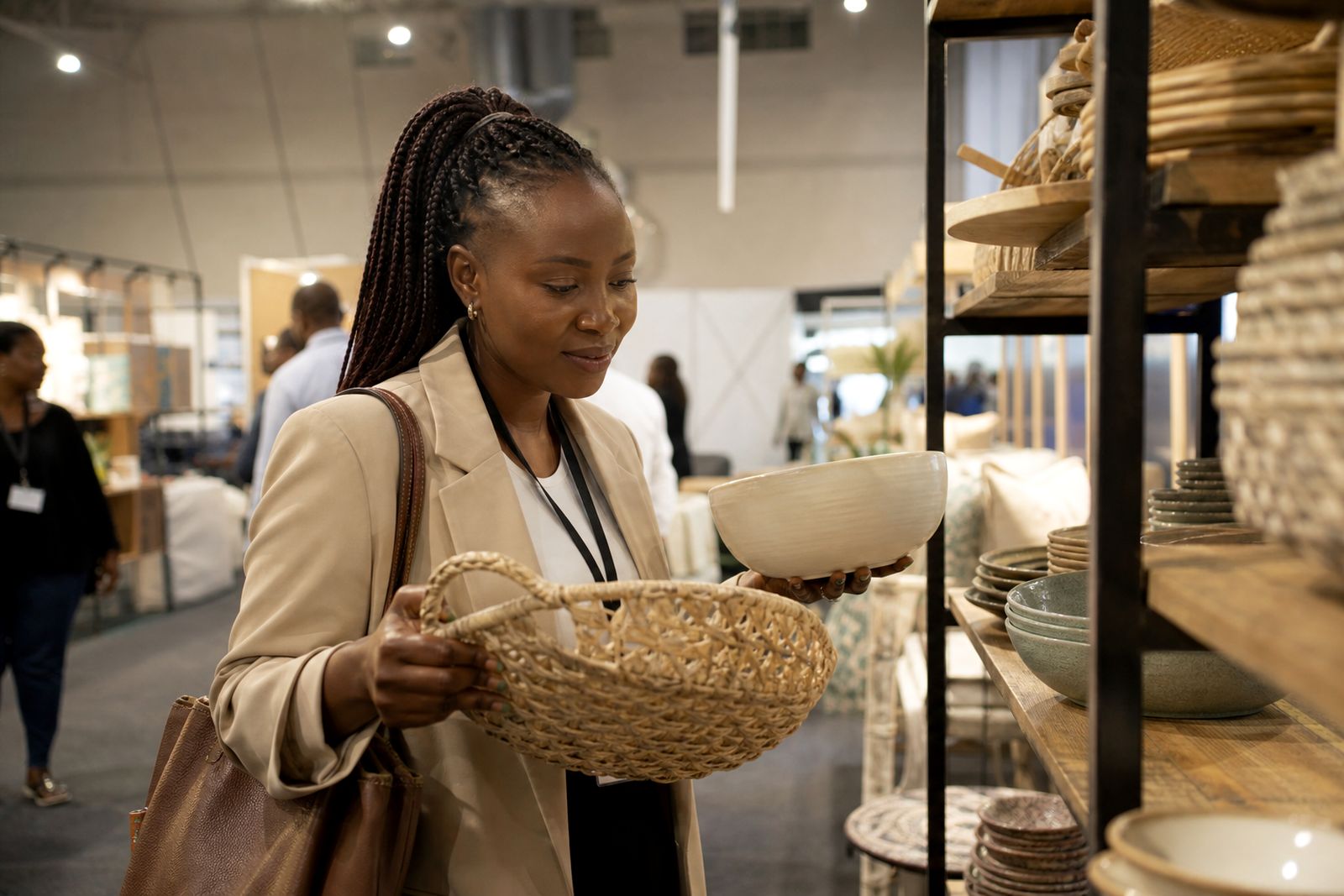
Retail buyers come to African Trade Show to source private label ranges and test new lines for store shelves. The format is practical: factory meetings, guided matchmaking on both mornings and on-floor help with cross-border paperwork questions.
What retail buyers get at the show
This page is for chain stores, independents, category buyers and sourcing teams looking for finished goods that can move from factory planning into retail supply. The show brings together manufacturers from Zambia, Namibia, Mozambique and South Africa in one Midrand venue each spring, so buyers can compare capabilities without travelling across the region first.
For retail buyers, the value is not only seeing product samples. It is also checking whether a factory can handle the packaging standard, carton markings, pallet quantities, barcode needs and replenishment rhythm that retail supply asks for. Some buyers arrive with a live range review, others are exploring a private label gap or testing a new category for a pilot run.
- Access to exhibiting factories from across the SADC region
- Matchmaking sessions on both mornings to shorten the first screening stage
- Help point on the floor for cross-border paperwork questions
- Time to review samples, pack formats and shelf readiness with the manufacturer
- A Midrand meeting point that suits Gauteng buying teams and regional travel plans
What is included for retail buyers
Retail buyer participation is structured around pre-show matching and on-site meetings. Before the show, your enquiry is reviewed against the categories you want to source. We then use that information to guide which exhibiting factories are likely to fit your brief. On the floor, the matchmaking sessions help you start with the most relevant conversations instead of walking aisle by aisle with no plan.
Retail buyers can also use the paperwork help point for practical guidance on the documents and sample handling issues that often come up in cross-border sourcing. This is useful where a buyer needs clarity before taking samples onward for internal review, quality checks or packaging sign-off. It does not replace your own compliance process, but it helps you ask the right questions early which saves time later.
- Buyer enquiry handling through the contact page
- Category-based matching before the show
- Scheduled matchmaking sessions on both mornings
- Direct discussion with factories on lead times, pack sizes and supply options
- Access to cross-border paperwork guidance on the show floor
- Post-show follow-up route through the exhibitor contact process
How the sourcing process works
The process starts when your buying team sends an enquiry with your category, volume expectations and whether you are looking for branded supply, private label, or a mix of both. If you have a shelf gap, seasonal line need, or replacement for an underperforming supplier, mention that in plain terms. The more exact the brief, the better the matching.
Step one is brief review. We look at your category focus, pack and pricing expectations, and any delivery or paperwork issues that may affect the match. Step two is meeting selection. Relevant factories are identified for the show so your team can use its time properly. Step three is the on-site meeting stage, where you assess samples, discuss minimum order quantities and ask about factory output and dispatch planning.
Step four is shortlisting. After the first conversations you narrow the field to the suppliers worth taking into internal review. Step five is follow-up after the show, when specifications, product samples and next documents are exchanged between buyer and factory. In many cases the first show meeting is only the start, but it cuts weeks out of the search process.
What you should prepare before you attend
Retail sourcing goes better when the buyer arrives with a clear brief. If your team is still too open-ended, meetings can turn into general chats with little outcome. Bring enough detail for a factory to say yes, no, or not yet. Even a draft requirement sheet is better than none.
For private label work especially, buyers should think beyond the product itself. Shelf dimensions, outers, barcode format, promotional timing and first order volume all affect whether a line will work commercially. If your stores trade inland and coastal regions, note that too, because humidity and heat can affect certain packs and finishes.
- Target category and product type
- Expected launch quantity or trial quantity
- Preferred pack size, units per carton and shelf-ready needs
- Indicative landed cost target or retail price band
- Labelling, language and barcode requirements
- Whether you need private label, factory brand supply, or an exclusive line
- Sample approval process within your business
- Delivery expectations into your network or nominated consolidation point
How pricing is usually worked out
At the show, pricing discussions are usually at an early commercial stage. Final figures depend on specification, quantity, packaging and delivery terms, so buyers should expect pricing to be worked out in layers rather than as one quick number. A factory may be able to offer a sharper unit cost on a larger run, a simpler carton format, or a standard pack instead of a custom one.
Private label pricing often includes product content, packaging materials, print setup, carton configuration and minimum run size. Cross-border movement can also affect the final landed picture, particularly where samples, staged shipments or mixed product loads are involved. Buyers should compare like with like. A lower ex-factory price may not remain lower once packaging detail and freight handling are added, and that catches some teams out.
Use the show to understand the price drivers first. Then you can decide whether to proceed with a sample, a trial order or a broader range discussion.
After the show and ongoing follow-up
Good buying outcomes usually come from disciplined follow-up within a short window after the show. Once your team has shortlisted factories, move quickly on the missing points: sample confirmation, pack artwork requirements, draft commercial terms and any document queries that need checking. Delays inside the buying team can slow an otherwise workable supplier start.
Where a buyer needs further clarity on cross-border paperwork questions raised during the event, the guidance from the help point gives a useful starting point for the next steps. Buyers should still run their own internal compliance, import and quality processes before placing an order. That part is essential, especially for private label projects where packaging sign-off and repeat supply matter more than a once-off show special.
The aim is straightforward: leave Midrand with a shortlist that is commercially realistic and shelf-ready, not just interesting on the day. That means proper notes, a clear owner for each supplier conversation and a prompt next action after the meetings, even if the action is simply to park a line for later.
What our Exporter Trade Show customers say
Verified Google reviews
Questions we get asked
Can retail buyers look for private label suppliers at the show?
Yes. Many buyers attend with a private label brief, packaging requirement or shelf gap. Bring clear pack, volume and cost targets so factory meetings can move past a general introduction.
Do I need to know all the paperwork before attending?
No. The show has a help point for cross-border paperwork questions on the floor. It helps buyers understand what to ask next, although your own compliance and import checks still need to be done after the event.
Can a small retail group or independent shop attend as a buyer?
Yes, provided the sourcing brief is genuine and practical. Smaller buyers often do well when they come prepared with one category focus, realistic volumes and clear sample approval steps.
Also worth a look
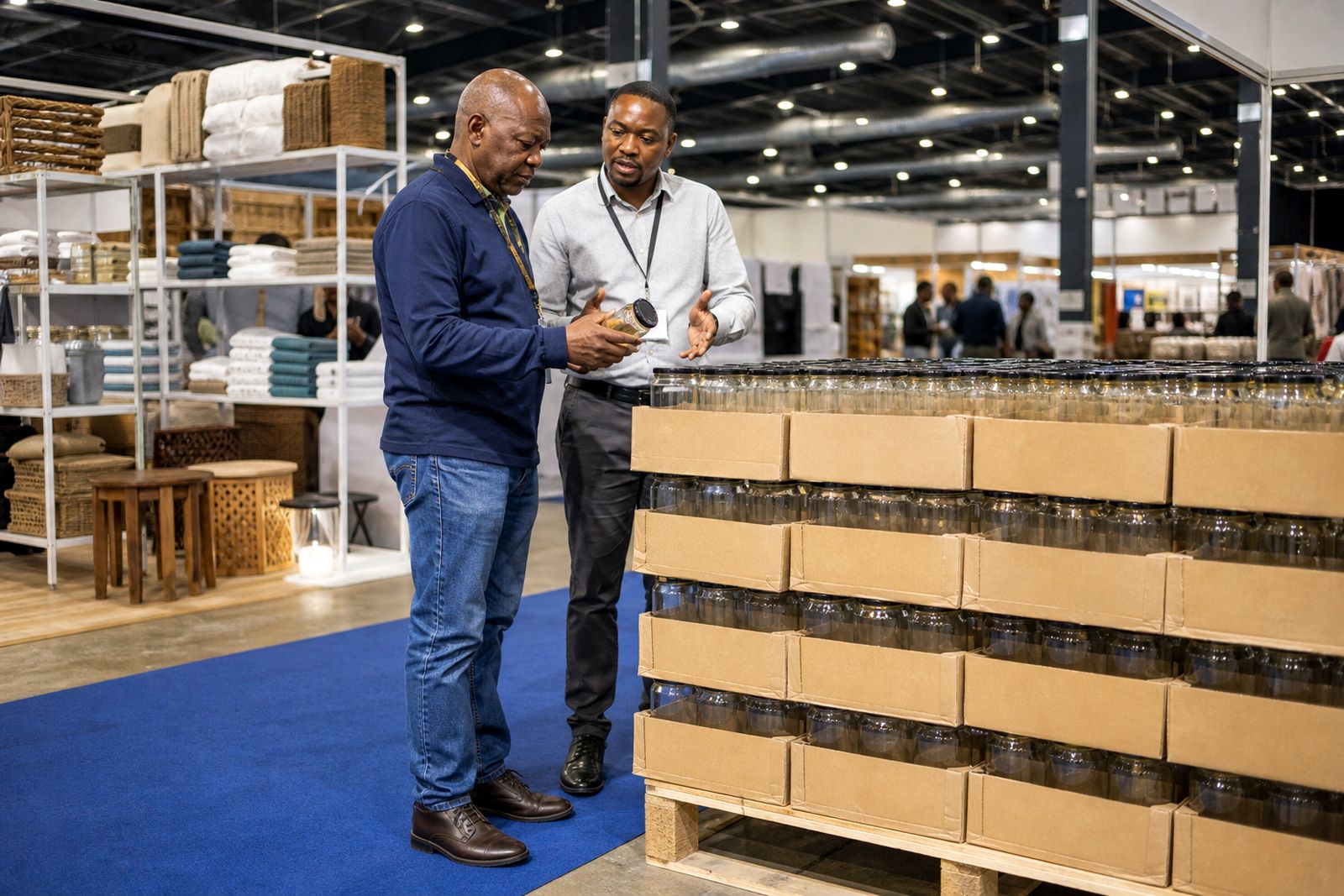

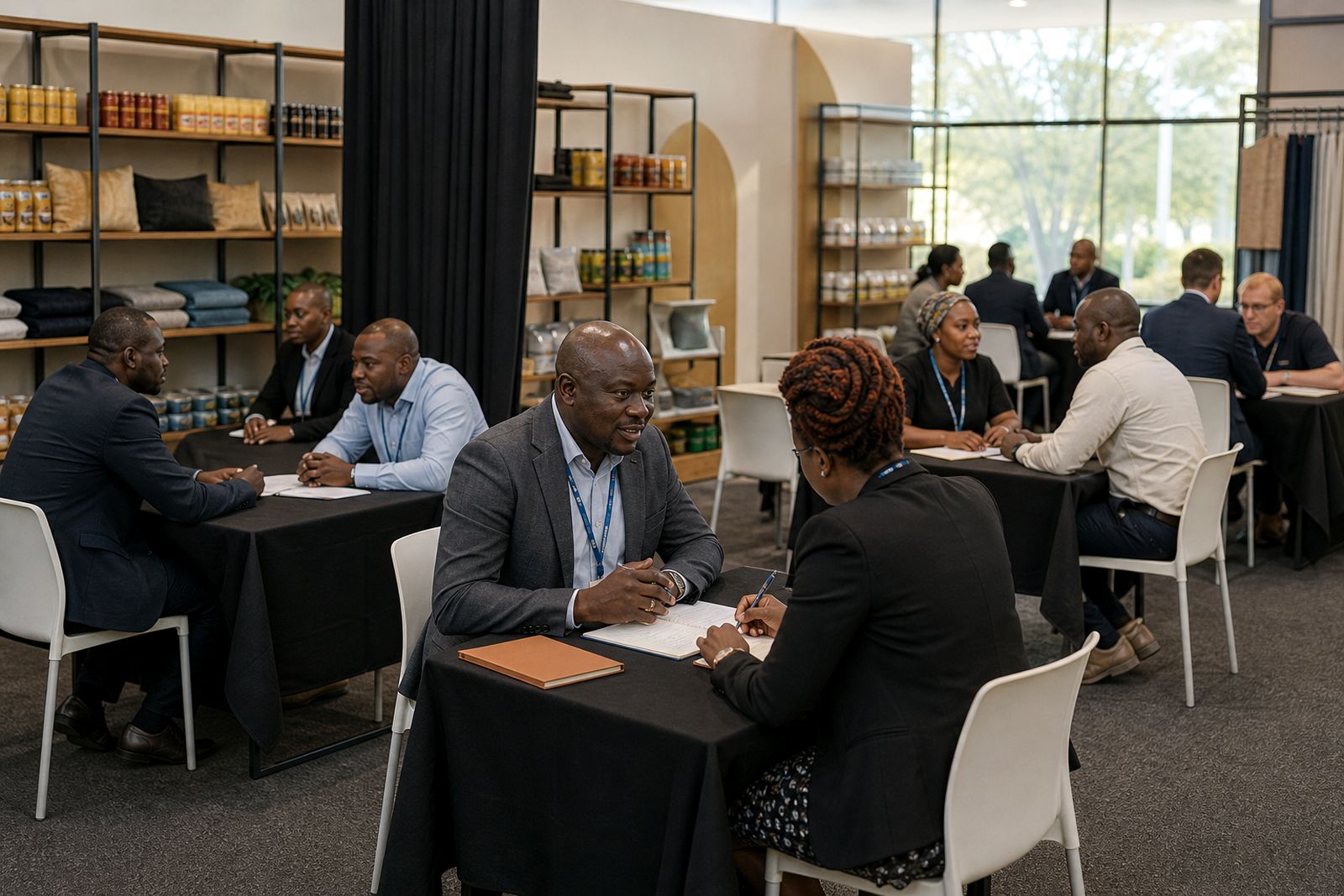
Exhibit or come to buy
Send a note through our contact form telling us whether you are a factory that wants to exhibit or a wholesaler or retailer coming to buy, and our team will reply with the next steps.
Open the contact form